
Septic Tank Cleaning Brighton MI is a vital service to your home and should be done on a regular basis. It removes sludge and solid waste compounds from the septic tank, clearing out room to keep your system functioning properly.
Septic tanks are most often made of concrete or polyethylene. A riser connects your septic tank to the ground surface, making it accessible.
Inspection
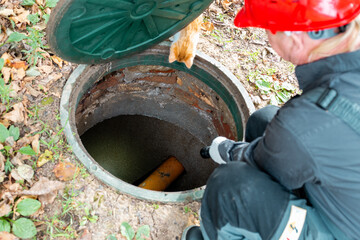
Septic tanks are large, underground storage containers that separate sewage solids from effluent. Solid waste is partially broken down in the tank to create sludge and separated from water (effluent) by bacteria, which then exits into a drainfield. Regular inspections, proper septic system design and routine maintenance are the keys to preventing system failure.
Generally, a septic tank should be inspected every 3 to 5 years. Whether the tank needs to be pumped depends on several factors, including the number of bedrooms in the house, water use habits, garbage disposal usage and other activities that affect septic system performance. The tank size is also an important factor: The septic tank must be large enough to meet the household’s wastewater load requirements.
If a septic system isn’t properly maintained, the solids in the tank can migrate to the drainfield and clog it. This can lead to septic system overflow and costly repairs, as well as groundwater contamination that poses a health risk to residents.
A septic tank can be constructed from steel, fiberglass or polyethylene. Steel tanks are susceptible to rust and corrosion, which can leak or rupture the walls. Polyethylene and fiberglass tanks are typically more durable than steel, but they can crack or crush under heavy loads or in extreme weather conditions. The septic tank’s drain field is located on the property, often in an area of the yard that experiences frequent traffic. It’s essential that the drain field is kept clear to prevent vehicle or foot traffic from damaging the soil and septic tank components.
The septic tank’s baffles are critical to its efficiency. Inspectors should check to ensure that they’re not obstructed and are in good condition. They can also test the sludge level to see if it’s time for a pumping. This is usually done with a “sludge judge,” which is a long, hollow pole that measures the thickness of the solids layer. The sludge should never be more than two-thirds of the tank volume.
Inspectors should always use caution when inspecting septic tanks. They should be careful to avoid touching any part of the septic tank that may contain toxic liquid waste, which can cause illness and even death. They should also never enter a septic tank without the help of a trained, licensed septic service professional. Noxious fumes can cause asphyxiation if inhaled.
Pumping
Septic tanks need regular pumping. The frequency depends on tank size and household waste and water usage. A septic system expert will calculate how much waste the tank holds and recommend a pumping schedule based on these factors.
Pumping prevents the accumulation of solids, which clog drains, reduce wastewater flow to the absorption field, and damage pipes and field lines. It also helps prevent odors and protects the environment. It is vital that you choose an experienced, licensed septic service provider for this work. In addition to ensuring safe waste disposal, the company should have a Better Business Bureau rating and follow U.S. septic authority recommendations.
A professional will inspect your septic tank and the surrounding area to look for potential issues before starting work. They will check for cracks, leaks, or structural problems that may require repairs. They will also ensure that the septic tank is safe to pump and empty. They can also advise you about best practices for septic tank care.
When a septic tank is emptied, the heaviest solids—known as sludge—sink to the bottom while the lighter liquids and fats rise to the top. The resulting mixture, called effluent, flows through the drain field, where soil microbes break it down and treat it. The septic tank removes the large solids from household waste, which would otherwise clog and pollute drain and sewer lines and the absorption field.
One of the best ways to ensure that your septic system functions correctly is to avoid using chemicals and bacteria-destroying products. These include toilet paper, paper towels, cotton swabs, kitty litter, facial tissues, cigarette butts, and other non-biodegradable materials. If you must use such products, septic tank additives help them break down more effectively.
Regular septic tank maintenance can reduce the need for frequent and costly pumping. It also protects the environment by keeping sewage and toxic substances out of groundwater. To keep your septic tank and absorption system healthy, follow these tips:
Cleaning
In areas where city sewers are not available, septic systems are used to treat household wastewater. There are two main components of a septic system; a septic tank and an absorption field. When properly maintained, septic systems are designed to safely and efficiently treat and dispose of wastewater without contaminating groundwater or creating health nuisances or unpleasant odors.
The bacteria in your septic tank produce gases as they break down wastewater contaminants. These gases must be released to prevent a build-up of pressure that could stop or reverse the flow of wastewater. The gasses are released through a vent in the septic tank lid, which is usually shaped like a mushroom and may be fitted with a charcoal filter to reduce odors. The frequency with which you need to have this vent cleaned depends on the size of your household and tank capacity.
Once the bacteria have finished processing your wastewater, it is discharged into the drain field through a septic tank outlet baffle. This device keeps sludge and scum from exiting the tank and clogging your septic system’s drain field. An effluent filter is often installed in the septic tank outlet baffle to trap additional solids that would otherwise clog your septic system’s drain field. This filter needs to be cleaned periodically as well.
Homeowners can have a significant impact on how well their septic system works by using common sense. For example, avoiding chemical drain openers or pouring cooking oil down the drain can help prevent septic tank backups and clogs. It is also recommended to spread out laundry chores throughout the week and not overload the septic system on any one day. Clothes washers bearing the ENERGY STAR label use less energy and water than standard models, helping conserve both resources. It is also important not to park heavy vehicles over the septic system or plant trees, shrubs, and vegetable gardens near the septic tank and drain fields since they can encroach on and clog septic system pipes. These actions can seriously affect the efficiency of a septic system and lead to costly repairs.
Disposal
Keeping your septic tank and drain field healthy is a major part of protecting your home, soil, and community. The proper disposal of septic waste helps safeguard the environment and protects public health, so you must always adhere to state and local regulations. These rules help ensure that hazardous materials do not pollute groundwater and surface water. They also protect people, including first responders who may be called to address spills or system failures.
Your septic tank is a buried, water-tight container constructed of concrete, fiberglass, or polyethylene. It holds wastewater until solids settle to the bottom forming sludge, and oil and grease floats to the top forming scum. Compartments and a T-shaped outlet prevent sludge or scum from leaving the septic tank and traveling into your absorption field. A piping network then disperses the liquid wastewater (effluent) into your drain field area through multiple drainage holes in a stone-filled trench. The septic system may operate by gravity or, if topographic considerations require it, a pump is required.
It is important to avoid contaminating your septic tank or drain field with non-biodegradable materials, which can upset the biological balance within your septic system and clog pipes. This includes flushing items such as cigarette butts, cotton swabs and wipes, condoms, and menstrual hygiene products. In addition, you should keep plants and other long-rooted trees away from your septic system drain field to minimize root intrusion.
Septic tank sludge, sometimes referred to as septage, must be transported and disposed of by licensed haulers and at approved sites that follow strict environmental requirements. Haulers must obtain a permit and document service locations, waste type and quantity, and disposal activities. They must also use appropriate personal protective equipment when handling septage, including heavy-duty gloves, face masks or respirators, and rubber coveralls.
Using greener disposal techniques, such as groundwater recharge and percolation, help reduce contamination of groundwater and surface water. They also support biodiversity and foster ecological health by utilizing septic waste byproducts to enrich soils.
Visit our Professional Services Blogs
Smart Choice Plumbing And Air, Sanitize My Airducts, Bethesda Locksmith, Golden Coast Cleaners, Advanced Concrete Staining, Home Pool Cleaners, Brayhines Septic, Shaka Pool And Spa Cleaning,Mr Clean And Shine, Best Appliance Repair Long Beach, Gulf to Bay Water Remediation, Garage Door San Francisco, Richmond Flooring, Fence Builders Woodlands, Colorado Springs Auto, Fuel Frontlines, Expert 24 Option, Sacramento Roseville Real Estate, SLO Homes, Philadelphia Towing, State Powerwashing, Truck Tires Worldwide, Website Translation, Construction Company Farmington NM, Green Home Los Angeles, Trinity SEO Marketing, Electric Fireplaces, Argos Bookkeeping, Christopherson Drywall,Garage Door Installation, Missouri Personal Injury Lawyer Blog, Alvins Auto Body, Carpet Care Pros, Las Vegas Concrete, Clark Concrete Company, Deck Builders Missour City, Lechleitner Builders, Medical Health Insurance Policy, Royal Siding Windows, Carpet Steam Cleaners Review, Go Greeen Lawn Painting, Oakwood Skate Deck, Texas Home Remodeling And Painting, USA Home Repair Remodeling, Dream Home Remodeling Services, Brent Lawn Homes, Great Ernm Homes, Accelerated Orthodontic, Arctic Cooling And Heating, Baltimore Heating And Airconditioning