Water damage can strike any property unexpectedly, whether due to flooding, burst pipes, or leaks. The visible effects—wet floors, saturated walls, or standing water—are only the beginning of the problem. Hidden moisture trapped in walls, flooring, and insulation can lead to structural deterioration, mold growth, and long-term damage if not addressed promptly and properly. At the core of effective water damage restoration are two essential processes: drying and dehumidification. These scientific techniques ensure that properties are fully restored while preventing secondary issues that could compromise safety, comfort, and property value.
Understanding the principles behind drying and dehumidification is crucial for homeowners, property managers, and Water Damage Restoration Utah professionals. While water extraction may remove standing water, it does not eliminate residual moisture that can infiltrate porous materials. Proper application of drying equipment and dehumidification strategies ensures comprehensive restoration, addressing both visible and hidden water damage.
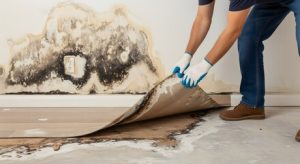
Why Water Damage Restoration Requires More Than Surface Drying
Many property owners assume that removing visible water is sufficient to resolve water damage. In reality, water can seep into layers of flooring, drywall, and insulation, often traveling to areas far from the original leak. This trapped moisture can weaken structural components, damage electrical systems, and create an ideal environment for microbial growth. Professional water damage restoration focuses on two key objectives: removing moisture completely and preventing secondary damage. Simply drying the surface without addressing the underlying water content is ineffective and can lead to recurring problems such as:
- Mold and Mildew Development
Mold spores thrive in damp environments and can begin growing within 24–48 hours after water exposure. - Structural Compromise
Prolonged moisture exposure can warp wood, delaminate flooring, and weaken drywall. - Persistent Odors and Contaminants
Residual water can lead to musty odors and promote bacterial growth, affecting indoor air quality.
Drying and dehumidification are therefore fundamental components of a comprehensive restoration strategy, ensuring that both the visible and hidden effects of water damage are addressed.
The Science of Drying
Effective drying is more than leaving windows open or turning on fans. It relies on the principles of evaporation, air circulation, and heat transfer to extract moisture from affected materials.
Evaporation is the process by which water moves from a liquid state into a vapor. To accelerate this process, restoration professionals use controlled airflow and heat. High-velocity fans and air movers direct warm, dry air across wet surfaces, promoting rapid evaporation while minimizing the risk of additional damage.
Temperature and airflow management are critical. Too much heat can damage sensitive materials, while insufficient airflow slows drying. By carefully controlling these variables, professionals can optimize drying efficiency and prevent secondary issues. Moisture monitoring is another essential component. Technicians use moisture meters, thermal imaging, and hygrometers to measure water content in building materials and air. This allows for targeted drying, ensuring that both structural elements and concealed areas are fully addressed.
The Role of Dehumidification
While drying removes surface moisture, dehumidification controls the surrounding environment to prevent water from lingering in the air. High humidity levels slow evaporation and increase the risk of mold growth, even after visible water has been removed.
Dehumidifiers are devices designed to extract moisture from the air, creating conditions that accelerate drying and prevent secondary damage. There are several types of dehumidification used in water damage restoration:
- Refrigerant Dehumidifiers
These units cool the air to condense moisture, then collect it for removal. They are effective for moderate humidity levels and are widely used in residential and commercial settings. - Desiccant Dehumidifiers
Using chemical absorbents, desiccant dehumidifiers excel in low-temperature or highly humid environments. They are ideal for spaces where traditional refrigeration methods are less effective.
By combining drying and dehumidification, restoration teams create an environment where moisture is removed efficiently from both materials and air, reducing the risk of mold, odors, and structural damage.
Steps in Effective Water Damage Restoration
Water damage restoration is a structured process that relies heavily on drying and dehumidification techniques. The following steps highlight the importance of each phase:
- Assessment and Inspection
Technicians first identify the source of water, measure moisture levels, and evaluate the extent of damage. This step informs the selection of drying equipment and dehumidification strategy. - Water Extraction
Standing water is removed using pumps, wet vacuums, or other specialized tools. Early extraction reduces the amount of water that needs to be evaporated, speeding up the drying process. - Controlled Drying
High-velocity air movers and heaters are strategically placed to direct airflow and promote evaporation. Technicians monitor moisture levels continuously to ensure optimal drying conditions. - Dehumidification
Industrial dehumidifiers remove moisture from the air, lowering relative humidity and preventing water from returning to materials. This step is critical in controlling the environment and supporting complete restoration. - Monitoring and Documentation
Moisture meters and data logging devices track drying progress. Proper documentation ensures that all areas have reached safe moisture levels, confirming the effectiveness of the restoration. - Final Inspection
Once drying and dehumidification are complete, technicians conduct a final inspection to verify that materials are fully dry, structural integrity is intact, and no risk of mold remains.
Importance of Moisture Control in Hidden Areas
Water damage often extends beyond visible areas. Moisture can penetrate behind walls, under flooring, or into insulation, creating hidden risks. Professional restoration teams use moisture mapping and specialized equipment to identify these areas.
Structural cavities, wall voids, and crawl spaces are particularly susceptible. Without targeted drying and dehumidification, these hidden spaces can harbor moisture for weeks or months, leading to mold growth and long-term damage. Advanced techniques, such as injecting warm air into cavities or using desiccant dehumidifiers for enclosed spaces, ensure that hidden moisture is removed effectively.
Preventing Secondary Damage
Secondary damage refers to problems that arise after initial water exposure due to inadequate drying or dehumidification. Common examples include:
- Mold Infestations: Mold can develop quickly in damp areas, creating health hazards and requiring costly remediation.
- Warped Flooring and Buckled Wood: Prolonged moisture exposure can compromise flooring integrity.
- Odor Retention: Lingering water can produce musty odors that are difficult to eliminate without proper dehumidification.
By applying scientific drying methods and precise dehumidification, restoration professionals prevent these secondary issues, safeguarding both the property and its occupants.
Equipment and Technology in Modern Water Damage Restoration
Modern water damage restoration relies on specialized equipment designed for efficiency and precision. Key tools include:
- High-Capacity Air Movers
These devices create airflow across wet surfaces, accelerating evaporation without damaging materials. - Industrial Dehumidifiers
Refrigerant and desiccant units reduce humidity levels and prevent condensation in critical areas. - Moisture Meters and Thermal Imaging Cameras
These tools detect hidden moisture in walls, flooring, and ceilings, guiding targeted drying strategies. - Data Logging Devices
Continuous monitoring of temperature, humidity, and moisture ensures accurate progress tracking and confirms that all areas are fully restored.
The integration of advanced equipment with expert knowledge ensures that water damage restoration is effective, efficient, and reliable.
Why Professional Expertise Matters
While some homeowners attempt DIY water removal, professional restoration is critical due to the complexity of drying and dehumidification. Improper techniques can leave hidden moisture, increasing the risk of mold, structural damage, and lingering odors.
Certified technicians have the training to:
- Evaluate the type and extent of water damage accurately
- Determine the best combination of drying and dehumidification methods
- Monitor moisture levels continuously
- Ensure that restoration meets safety and industry standards
Professional expertise transforms a reactive cleanup into a science-based restoration process, protecting both property and health.
Long-Term Benefits of Effective Drying and Dehumidification
When performed correctly, drying and dehumidification provide numerous long-term benefits:
- Preserved Structural Integrity: Proper moisture removal prevents warping, delamination, and other structural issues.
- Reduced Risk of Mold: Thorough drying minimizes the likelihood of mold growth.
- Improved Indoor Air Quality: Removing moisture and contaminants enhances air quality for occupants.
- Cost Savings: Preventing secondary damage reduces future repair and replacement expenses.
Investing in professional restoration ensures that water damage does not lead to recurring problems or unexpected costs.
The Science That Protects Your Property
Water damage restoration is a complex, science-driven process that extends far beyond simple water removal. Drying and dehumidification are the cornerstones of effective restoration, addressing both visible and hidden moisture while preventing secondary damage.
By understanding the principles of evaporation, airflow, and humidity control, professionals can restore properties safely, efficiently, and completely. Advanced equipment, moisture monitoring, and targeted strategies ensure that homes and commercial buildings are returned to their original condition, preserving structural integrity, improving indoor air quality, and preventing long-term complications.
Effective drying and dehumidification are more than restoration techniques—they are a safeguard for property value, occupant health, and peace of mind. In the face of water damage, science-based methods provide a reliable path from crisis to complete recovery.