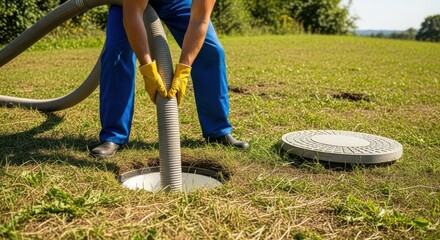
Maintaining a system with regular cleanings and pump-outs maximizes its functional lifespan. Keeping records of these service appointments also shows potential buyers that you have taken care of your home’s wastewater treatment system.
Everyone in your household should understand what can and cannot go into the septic system. Certain chemicals, including drain cleaners, can kill helpful bacteria and pollute groundwater. Contact Septic Tank Cleaning Brighton MI for more information.
Cleanliness
Keeping your septic tank clean is the first step in maintaining the health of your septic system. A septic tank that’s too full can be a fire hazard, which is why it’s essential to hire a professional to remove waste from the tank regularly. In addition, a dirty tank is a breeding ground for harmful bacteria that can pollute nearby water sources. A regular septic tank cleaning helps prevent this from happening, so you can feel good about your home’s environmental impact.
The best time to schedule a septic tank cleaning is before the scum layer and lower sludge layer get too close to the basic outlet pipe in the tank. These layers indicate that the septic tank is nearing its capacity, which is why it’s crucial to keep track of these layers with your septic inspection records.
While it’s possible for homeowners to do some septic tank cleaning on their own, it’s important to hire professionals to complete the task. Septic professionals have the training and equipment to safely access your septic tank, remove and dispose of waste materials, and inspect the septic system for signs of problems. In addition, they can also provide valuable advice on septic system maintenance to help you keep your tank in great shape.
Aside from avoiding costly repairs and protecting the environment, a septic tank that’s cleaned properly is good for your property value. This is because a well-maintained septic tank is a selling point for prospective buyers, making it easier to sell your house in the future.
The cost of a septic tank cleaning is minimal when compared to the costs of repairing or replacing a damaged septic system, which can easily exceed tens of thousands of dollars. This is why routine maintenance is so vital; it allows you to nip accumulation and clogs in the bud, saving you from expensive emergency repairs. Additionally, a well-maintained septic system is less likely to require replacement early in its lifespan, extending the overall life of your septic system.
Water Quality
Septic systems can impact water quality and public health in a number of ways. For example, when bacteria break down organic waste in your septic system, it releases gases that aren’t safe for drinking. The most common of these is hydrogen sulfide, which smells like rotten eggs. This gas is disseminated through a mushroom vent in your tank’s lid or, more commonly, through a pipe in your roof. Bacteria also release other harmful compounds, including phosphates and nitrates that can seep into groundwater wells or surface water sources. The wastewater in your septic system must be treated to be safe for reuse.
When solids build up in your septic tank, they will eventually carry over into the absorption field, where they can clog the drainfield pipes. This will strain your septic system unnecessarily and cause wastewater to back up into sinks, showers and toilets. Septic cleaning eliminates these gross clogs and gives your septic system more room for inbound waste to flow.
Most septic tank professionals recommend scheduling regular cleaning and pumping services for your septic system. This helps extend your system’s lifespan, mitigates costly repairs and keeps your family healthy by ensuring that the wastewater in your septic system is properly treated for human consumption.
A thorough septic cleaning will include inspecting the inlet and outlet tees that extend from the septic tank into your home’s plumbing. The tees ensure that the solids in your septic tank remain in the tank, rather than carrying over to your absorption field.
Cleaning and pumping are two different services, but many people use these terms interchangeably. Septic cleaning is a more limited service scope that focuses on internal tank rejuvenation, while pumping goes a step further to fully evacuate all liquid effluent and solid sludge from your entire system, not just the tank itself. Regular cleanings and frequent pumpings will help your septic system last longer, mitigating expensive repairs and preventing foul backups indoors and in the yard.
Drainage
The septic tank is a watertight box, usually made of concrete, fiberglass, PVC or plastic, into which wastewater flows from all plumbing fixtures on your property. The septic tank then begins treatment by segregating the waste. Solids sink to the bottom to form a layer known as sludge, and oil and grease float to the top to create a layer of scum. The liquid that remains, called effluent, passes through the septic tank and enters the drain field, where it is naturally cleansed by soil bacteria. However, some items clog and overload the system. Recognizing the warning signs can help property owners avoid costly repairs and keep their septic systems in good working condition for years to come.
Property owners should also avoid flushing anything other than human waste down the drains. Grease, coffee grounds, kitty litter and other pet wastes can damage the septic tank. “Flushable” wipes, tampons, dental floss, facial tissues, condoms and cigarette butts should not be flushed down the toilet, either. These items contribute to the sludge layer and cause blockages that lead to costly repairs.
For industrial and commercial properties, the best way to avoid septic tank problems is to hire a qualified septic cleaning specialist to inspect and clean the tank regularly. A septic expert can recommend service intervals based on usage patterns, and a regular inspection can detect any issues before they become worse.
Professional septic cleaners should have all the equipment necessary to properly clean and maintain a septic system. This includes high-pressure jetting equipment that blasts away sludge and grease, safety gear to protect workers from hazardous chemicals and confined space conditions, and electronic locating tools that save time and prevent landscaping damage by quickly identifying buried components.
A business septic cleaning company needs to focus on quality work, professional interaction with clients, and customer service that exceeds expectations. Technicians should have extensive technical training in septic tank design, waste treatment processes, and equipment operation. A non-commissioned pay structure helps technicians resist the temptation to sell unnecessary services and build trust with clients.
Safety
The septic tank handles wastewater from a home that is not connected to the city sewer system, directing waste safely away and sanitizing it before it enters groundwater or waterways. This prevents sewage and other pollutants from flowing into natural waters and harming fish, wildlife, or people. A septic system needs regular maintenance to function properly and safely, including cleaning, inspections, pumping, and repairs. Septic tank cleaning and repairs are difficult and hazardous tasks that should be left to professionals with proper training and safety equipment.
Proper cleaning and inspection schedules can extend a septic tank’s expected lifespan by eliminating solid obstructions and preventing premature system failures. Working with a trusted septic service provider is the best way to develop a customized maintenance plan.
Regular septic tank cleaning eliminates unpleasant clogs that waste and wastewater back up into sinks, bathtubs, and showers. In addition, septic tank cleaning prevents the buildup of toxic hydrogen sulfide gas in the home. This odorless gas is created by faulty sink drains, cracked toilet seals, and vent pipe leaks that can cause eye irritation and breathing difficulties.
Maintaining a regular maintenance schedule also helps homeowners avoid expensive repairs that may be necessary when systems go out of commission due to improper or incomplete system care. For example, using harsh chemicals to clear a blockage can kill bacteria and disrupt the functioning of the septic tank, causing it to malfunction or fail.
Getting the most bang for your buck requires choosing a trusted septic service provider who uses advanced technology to clean and inspect tanks and systems. High-pressure jetting equipment removes grease and solids that simple pumping can’t, while safety equipment and specialized tools protect the crew and the property. Electronic locating equipment reduces digging and landscaping damage by helping technicians quickly locate buried components.
Never lean over or stick your head into a septic tank to inspect it. This could lead to exposure to dangerous gases, such as methane and hydrogen sulfide. These gases can suffocate or even cause death in extreme cases. Professional septic service providers use ventilation equipment and protective gear when handling septic tanks, ensuring that these potentially dangerous jobs are completed correctly and safely.
Visit our Professional Services Blogs
Chris Atkins Lawncare, Atticus Landscaping, Treasure Coast Pressure Wash, Gulf Beach Plumbing, Marlborough Plumbing, Guns And Hoses Pressure Washing, Ambrose Construction, Coral Gables Pressure Washing, Willco Photography, Roofing Akron, Danalogsdon Roofing El Cajon, EC Siding Roofing Windows, Aurora Gutter, American Insurance Source, ECO, etdn, Denison Service League, Roofing Blog, Atlantic Vinyl Windows, Brookshires Fireplaces, JD Advanced Remodeling, Product Judgment, Master Dry Foundation Repair, Moe’s Hip, Elta Patio Paramount, Rock Around The Clock Festival, Learn, Play, Beyond, MoralesT Gardening, Car Window Tinting Perth, Duncan Carpentry, Gatestone Lighting, Mid Missouri Mold Inspections, Stucco Repair Albuquerque, Wausau Siding Hire, Munster Tree Care, Blue Granite Homes, Custom House, CENTRAL OS, Atlanta Pavers, Phillips Law Firm, Brent Ryder Masonry, Walker Construction Drywall Division, RJ Law, Caledon Plumbing, DDS Tech USA, Maine Mortgage Services, Inckpen, Seasons at Rose Creek, Cottonwood Place Dental, Cosmetic Laser 2000